
Graphic Design for Cultural Ceremonies and Themed Weddings: Bringing Tradition and Creativity Together

A wedding becomes unforgettable when guests can feel the story before the ceremony even begins. Clothing, colour, pattern, stationery, lighting, and signage all send signals. Together, they tell people where they are, what matters, and how the day should feel.
Traditional wedding costumes carry some of the strongest signals of all. They can honour family, faith, region, ancestry, craft, and memory in a way no trend can replace. When paired with a thoughtful theme and clear graphic design, they turn a wedding from a lovely event into a layered experience that feels personal from start to finish.
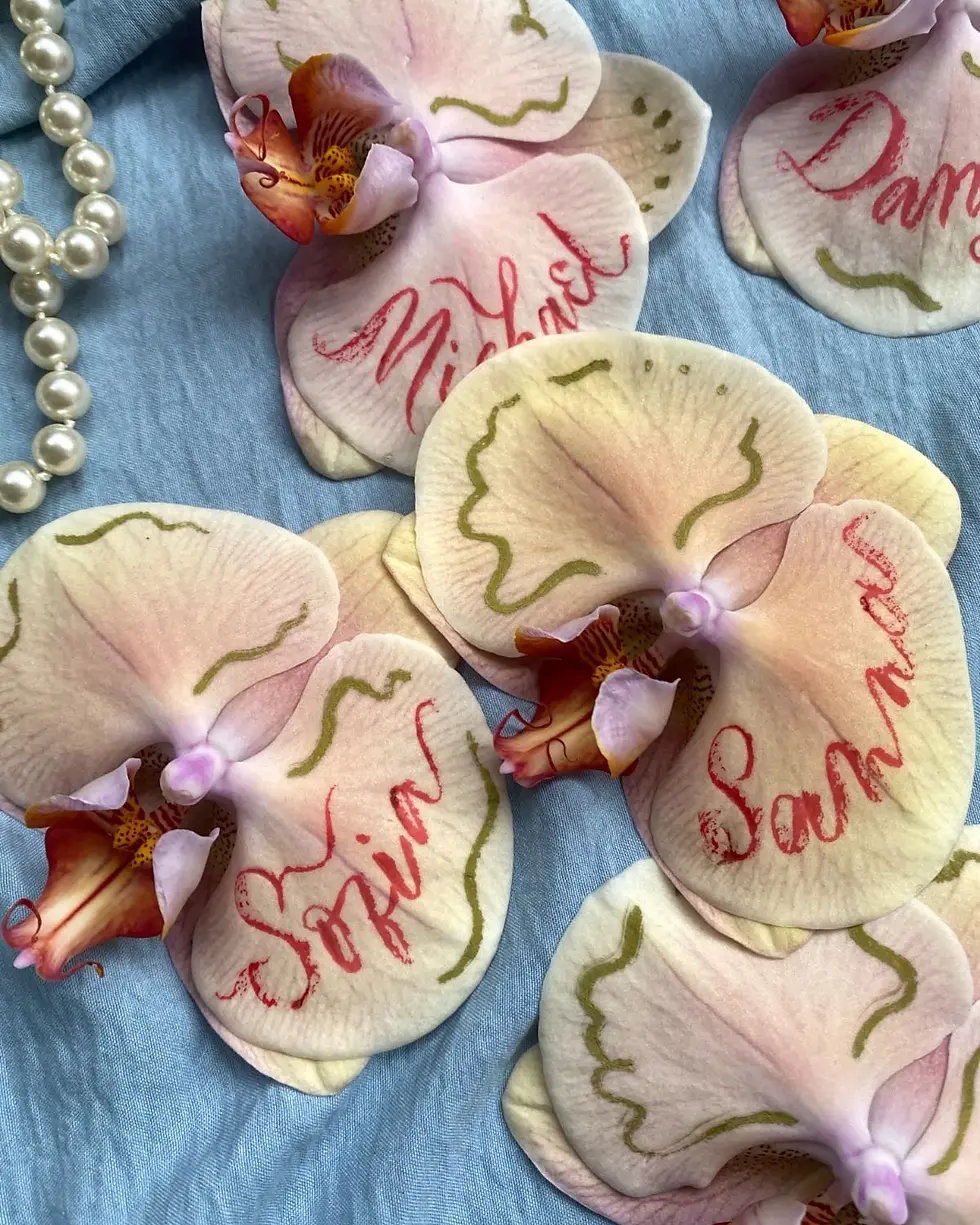
The best celebrations do not treat tradition and design as separate details. They connect them. A sari border can inspire an invitation motif. A kilt tartan can guide the palette. A beaded bodice can shape table numbers. A floral headpiece can appear again on menus, signs, and place cards. These links make everything feel intentional without making the day feel staged.

Why traditional wedding costumes carry so much meaning
Traditional wedding dress is rarely just fashion. It often carries stories about place, family, belief, status, craftsmanship, and belonging. The shape of a garment, the way it is tied, the colour chosen, and the jewellery worn may all hold meaning.
For many couples, traditional clothing creates a visible link between generations. A wedding kimono, hanbok, sari, lehenga, ao dai, cheongsam, barong Tagalog, kilt, kaftan, agbada, kebaya, or embroidered gown may reflect customs passed down through family lines. Some pieces are newly made for the day. Others are heirlooms, altered with care or worn alongside modern pieces.
That blend can be powerful. A couple might choose formal Western ceremony wear for one part of the day and traditional clothing for another. They may change outfits between the ceremony and reception. They may invite family members to wear garments linked to their own culture. These choices give the celebration depth.
Traditional costumes also create a strong sense of occasion. They say, without words, that this moment deserves care. Fine embroidery, handwoven cloth, symbolic colours, ceremonial accessories, and specific silhouettes all help the wedding feel set apart from everyday life.
Some common meanings include:
Colour and blessing
Red can represent luck, joy, or prosperity in several Asian wedding traditions. White may suggest purity in some cultures, while in others it carries a completely different meaning. Gold often suggests celebration, abundance, and honour.
Pattern and identity
Tartans, woven motifs, beadwork, and embroidery can show family, region, clan, or community ties.
Fabric and craft
Silk, lace, linen, brocade, wool, and handwoven textiles can reflect climate, status, tradition, or local craft.
Accessories and ritual
Veils, crowns, bangles, belts, sashes, fans, headpieces, garlands, and ceremonial shoes can mark roles, blessings, or stages of the day.
The key is respect. If a garment comes from a living culture, it should be worn with understanding. Couples can speak with family members, cultural advisors, makers, or elders to avoid using sacred pieces as decoration. When tradition is handled with care, clothing becomes one of the most meaningful parts of the wedding.

Graphic design for themed weddings turns details into an experience
A theme gives a wedding a strong point of view. It guides choices, reduces confusion, and helps guests settle into the mood of the day.
A theme does not need to be theatrical. It can be quiet and elegant. It may come from a season, a place, a period of design, a shared hobby, a colour story, or cultural traditions. The best themes feel connected to the couple rather than copied from a trend board.
Themed weddings work best when they support the meaning of the day. A heritage-inspired theme can create space for traditional costumes. A vintage garden theme can suit lace, gloves, hats, floral embroidery, and soft tailoring. A black-tie coastal theme can bring crisp linen suits, silk gowns, shell motifs, and wind-friendly signage into balance.
A theme becomes distracting when every detail tries too hard. Guests should not feel like they are walking through a film set unless that is the clear intention. Most weddings need restraint. Pick a few strong visual cues, then repeat them with care.
Popular wedding themes and costume ideas that work well together
The strongest costume choices fit the venue, the season, the ceremony style, and the comfort of the people wearing them. A beach wedding in Queensland will ask for different choices than a winter reception in the Blue Mountains. Traditional dress can still shine, but practical details matter.
Here are several theme ideas that pair beautifully with meaningful clothing.
Theme | Costume ideas | Design direction |
Heritage celebration | Traditional garments from one or both families, heirloom jewellery, ceremonial accessories | Motifs from textiles, family colours, pattern borders, bilingual signage, where useful |
Garden romance | Floral embroidery, lace, soft suits, veils, flower crowns, pastel saris or lehengas | Botanical line art, soft paper stocks, watercolour details, curved signage |
Coastal elegance | Linen suits, silk slip dresses, light kaftans, relaxed formalwear, woven accessories | Sand, ivory, blue, sea-glass green, clean typography, natural textures |
Vintage glamour | Beaded gowns, tuxedos, gloves, capes, feathered or jewelled headpieces | Art Deco shapes, metallic foil, black and cream palettes, mirrored decor |
Rustic country | Embroidered dresses, tailored waistcoats, boots, wool shawls, heritage tartans | Timber signs, hand-lettered details, earthy colours, pressed flowers |
Cultural fusion | Outfit changes, mixed silhouettes, shared colour palette across traditions | Repeat one pattern, colour, or symbol across all printed and spatial elements |
Festival feast | Bright garments, statement jewellery, bold floral garlands, festive guest dress codes | Layered colour, illustrated maps, lively signage, patterned menus |
A heritage celebration is often the richest starting point. For example, a couple may wear a sari and sherwani for a traditional ceremony, then change into a gown and suit for the reception. Another couple might include a Scottish kilt during the ceremony, then bring the tartan into the bar menu, table runners, and seating chart.
Cultural fusion weddings can be especially moving when the design feels balanced. Instead of placing two traditions side by side with no connection, choose a shared visual thread. That might be a colour, a flower, a border pattern, a type of metal, or a calligraphy style. This simple link helps the whole day feel united.
For guests, dress codes should be clear and kind. If guests are encouraged to wear traditional clothing, explain what is welcome. If certain colours are reserved for the couple or have cultural meaning, mention that gently on the wedding website or details card.
Graphic design sets the mood before anyone arrives
Graphic design is often the first part of the wedding guests experience. Before they see the venue or the clothing, they receive an invitation. That first piece of design tells them whether the day will be formal, relaxed, colourful, traditional, modern, intimate, or grand.
Good design does more than look pretty. It gives structure to the celebration.
A strong wedding design system usually includes:
Invitations and save-the-dates
RSVP cards or wedding website graphics
Ceremony programs
Welcome signs
Seating charts
Place cards
Menus
Bar signs
Directional signs
Table numbers
Favour tags
Dance floor or backdrop graphics
When these pieces share fonts, colours, illustration styles, symbols, and materials, the wedding feels polished. Guests may not notice every detail on its own, but they will feel the consistency.
Graphic design also helps traditional costumes feel connected to the wider event. A designer might take inspiration from:
The border of a sari or dupatta
The embroidery on a veil
A family crest or tartan
A floral motif from a headpiece
A ceramic pattern from a cultural tradition
A sacred symbol, used only when appropriate
Jewellery shapes, such as pearls, bangles, coins, or filigree
The goal is not to copy a garment exactly. It is to translate its feeling into paper, fabric, signs, and spatial details.
Invitations create the first chapter of the theme
Invitations should do three things well. They should share the practical details, set the tone, and hint at the design story.
For a formal traditional wedding, invitations might use thick card, refined typography, delicate borders, and metallic accents. For a garden celebration, they might use soft florals and natural paper. For a coastal wedding, they might use simple layouts, calm colours, and textured stock.
If the wedding includes cultural ceremonies, the invitation suite can help guests understand the flow of events. A separate details card can explain timing, dress suggestions, ceremony customs, gift preferences, transport, or weather notes.
For multi-day weddings, clear design matters even more. Guests need to know what happens when, where to go, and what to wear. Colour-coding each event can help, especially when paired with consistent icons or headings.
A thoughtful invitation might include:
A motif drawn from the couple’s clothing or family textiles
A short note explaining a traditional dress code
Bilingual wording for family inclusion
A map that suits the theme
A materials choice that matches the tone, such as handmade paper, linen stock, or translucent overlays
The invitation is not just admin. It is the first visual promise of the day.

Decor brings costumes and theme into the room
Decor works best when it supports the clothing rather than competes with it. Traditional costumes often include detailed fabric, strong colours, jewellery, and ceremonial accessories. If the decor is too busy, the people wearing those garments can get visually lost.
A good approach is to choose a few details from the attire and repeat them at a larger scale. If the wedding outfit features gold thread, use gold accents in candle holders, menu printing, or table edges. If the outfit has floral embroidery, use those flowers in arrangements, aisle pieces, or printed backdrops. If the groom’s kilt includes deep green and navy, bring those colours into napkins, ribbons, and signage.
Texture also matters. Silk, velvet, linen, timber, stone, paper, brass, cane, and glass each create a different mood. When textures match the costume style, the whole setting feels considered.
Decor can also help guests understand cultural context. A welcome table might display a short note about a ceremony item. A program may explain the meaning of a garland exchange, tea ceremony, handfasting, crowning, or other ritual. Keep explanations brief and warm. The aim is inclusion, not a lesson.

Signage guides guests and strengthens the story
Signage has a practical job, but it can also add atmosphere. A beautiful welcome sign, seating chart, ceremony program, or bar menu can carry the theme into every part of the venue.
The best signs are easy to read. This matters more than decoration. Script fonts can look lovely, but if guests cannot read names or directions, the design fails. Use decorative lettering for headings, then choose a clear typeface for details.
Useful wedding signage includes:
Welcome sign near the entrance
Ceremony direction sign
Unplugged ceremony note, if needed
Seating chart
Table numbers
Bar menu
Guest book sign
Gift table sign
Transport or shuttle details
Cultural ceremony explanation cards
For traditional weddings, signage can gently explain customs. For example, a small card might describe why guests remove shoes before entering a ceremony area, what a particular colour means, or when guests are invited to take part. This can make the day feel more welcoming for guests who are new to the tradition.
Materials can match the theme too. Acrylic may suit a modern reception. Timber works well for rustic or country weddings. Fabric banners can echo garments and feel soft in outdoor settings. Handmade paper gives formal stationery a personal feel.
How to build a cohesive wedding look without overdoing it
A memorable wedding does not need every possible idea. It needs a clear centre. Start with one or two anchors, then let everything else support them.
A simple planning process can help:
Choose the cultural or personal elements that matter most
Decide which garments, rituals, colours, or family pieces are essential. Build around those first.
Create a small visual palette
Pick three to five core colours. Include neutrals so the design has breathing room.
Select one main motif
This could be a flower, textile border, crest, landscape shape, or jewellery detail. Use it across the invitation, signage, and selected decor pieces.
Match formality across the day
A heavily embroidered ceremonial outfit suits rich stationery and polished decor. A relaxed linen outfit may suit lighter design and natural materials.
Leave space for people
Let the couple, family, and guests be the focus. Design should frame the celebration, not overpower it.
The most successful weddings feel personal because the choices have a reason. A colour is not just trendy, it links to a garment. A pattern is not random, it comes from a family textile. A sign is not just decorative, it helps guests feel included.
Traditional clothing, thoughtful themes, and strong graphic design can turn a wedding into a shared story. The costumes honour where people come from. The theme shapes how the day feels. The invitations, decor, and signage guide guests through each moment with beauty and clarity.
When those pieces work together, the celebration becomes more than a well-styled event. It becomes a day people remember because it felt true.



Comments